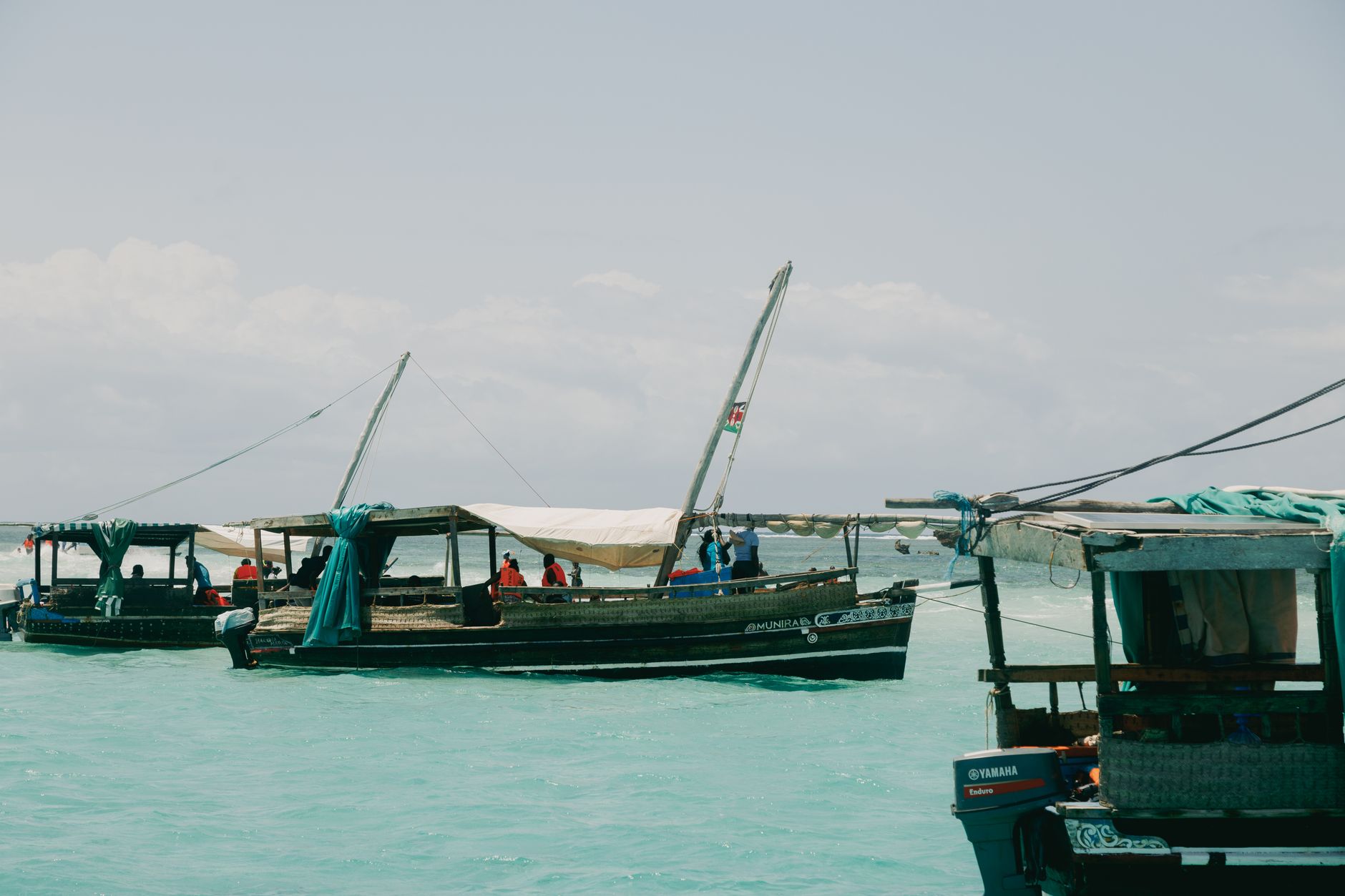
Diani Beach Versus Watamu Snorkeling: The Decision Checklist
If you are planning a Kenya safari and want beach days afterward, you will face the diani beach versus watamu snorkeling question. It matters more than resort photos suggest. Watamu wins for most snorkelers because coral gardens lie close to shore inside Watamu Marine National Park. Diani still offers good snorkeling, but its best trips often need a boat.
Use this five-point checklist when you compare the two coasts.
- Reef access.
- Marine life.
- Cost and logistics.
- Seasons and tides.
- Safari route fit.
The table below shows how the two destinations compare.
| Decision point | Watamu | Diani |
|---|---|---|
| Reef access | Short boat rides from Watamu; coral gardens in Watamu Marine National Park | Inshore reef varies; best snorkeling often requires a boat |
| Marine life | Reef fish, turtles, octopus, moray eels | Reef fish and turtles; Kisite-Mpunguti adds dolphins and larger species |
| Indicative cost | KES 2,950 to 4,500 for entry plus shared boat | KES 3,500 to 6,000 for local trips; Kisite full day costs more |
| Best for | Frequent easy snorkeling and quiet beaches | Resort amenities, restaurants, varied water sports |
Indicative costs, 2026. Confirm every price with operators.
1. Which Has Better Snorkeling on an Ordinary Day?
Watamu is usually the better choice for snorkeling. Coral gardens lie close to shore inside Watamu Marine National Park, so short trips are practical and marine life sightings are more reliable. Diani still offers good snorkeling, but its strongest experience generally involves a boat excursion, especially south to Kisite-Mpunguti Marine Park near Wasini Island.
Watamu coral reef sites are protected, and local operators run short trips that return in time for lunch. In Diani, the beach itself is beautiful, but the reef zone is patchier. The reliable option is a Diani snorkeling boat trip to deeper gardens or the Kisite-Mpunguti Marine Park.
2. Reef Access and Marine Life: What Will You Actually See?
Watamu offers the easiest access to protected coral reef, with frequent sightings of reef fish, turtles, octopus and moray eels. Diani’s inshore reef can be rewarding, but conditions and reef quality vary more. Its standout marine-life trip is Kisite-Mpunguti, where snorkelers may encounter dolphins, turtles and larger reef species.
- Watamu Marine National Park: Coral gardens close to shore, good for beginners.
- Diani inshore: Good at times, but guides sometimes advise a boat to reach clearer water.
- Kisite-Mpunguti Marine Park: A full-day voyage from Shimoni, south of Diani.
- Wasini Island: Coral gardens are part of the same Kisite trip, with a chance to see dolphins in open water.
Keep a safe distance from turtles and dolphins. Chasing them stresses the animals, and marine park rules exist to protect them.
3. Snorkeling Costs and Boat Logistics: What Should You Budget?
Watamu snorkeling is generally simpler and less expensive. Shared glass-bottom or snorkeling boats reach the marine park quickly, with reported combined costs around KES 2,950 to 4,500 depending on fees and operator. Diani’s local trips cost more in some comparisons, while a Kisite-Mpunguti excursion requires extra road, boat and full-day planning.
Budget for park fees, boat hire, snorkel gear, lunch on extended trips, and tipping. Ask the operator for the all-in price before you pay. If you are also pricing the safari portion of your trip, our guide to Kenya safari costs breaks down what drives the daily rate. In Watamu, a shared glass-bottom boat can get you on the reef quickly. In Diani, the Kisite-Mpunguti day can be the highlight, but it takes a whole day and costs more.
4. Seasons, Tides and Visibility: When Should You Go?
Plan snorkeling around calm seas, favorable tides and the day’s local conditions rather than relying only on a month. Diani is commonly described as strongest from June to October and January to February. Watamu’s reefs can be accessible year-round, but conditions change noticeably with tides. Operators should confirm visibility, currents and departure times.
Use the same planning logic as the best time to visit the Masai Mara for dry-season wildlife, then add coastal conditions on top. Ask your operator about the tide at your proposed snorkel time. Low tide can expose shallow reef, and outgoing currents can make some sites unsafe.
5. Which Beach Works Better After a Safari?
Choose Diani after a safari when resort choice, restaurants, nightlife, airport convenience and varied water sports matter most. Choose Watamu when snorkeling, quieter surroundings and marine conservation are the priority. Diani pairs naturally with southern circuits such as Tsavo, while Watamu suits travellers continuing toward Malindi or Kenya’s north-coast attractions.
The right answer to diani beach versus watamu snorkeling depends on your safari route. A Tsavo safari places you closer to Diani. A Masai Mara or Amboseli itinerary can connect to either coast, but travel time differs. Before you commit to a route, weigh how a beach extension fits your overall safari cost and schedule. For more detail on Diani itself, read our Diani Beach guide.
Your Next Step: Compare Safari Operators
Your next action is to compare safari operators that include your chosen beach in a single itinerary. Browse packages on FindMySafari, Valley Safaris, or Trunktrails Safaris, and ask each operator to show the snorkeling day in writing. Confirm the boat, the marine park, the fees and the tide plan before you pay a deposit. You can also start with TouringInsights at touringinsights.com to see how a beach leg fits your route.
More safari planning resources
- Bush and beach safari from SafariPure
- Diani Beach guide from Trunktrails Safaris
- Kenya national parks map from Valley Safaris
- Diani Beach guide on FindMySafari